
What Is Generational Trauma?
Updated: Sep 6
When we think of trauma, most people generally think of a single instance or experience.
Generational trauma, however, is a bit more complex. This trauma tends to be more of a collection of events experienced over the course of a period of time and affecting more than one person.
What Is Generational Trauma?
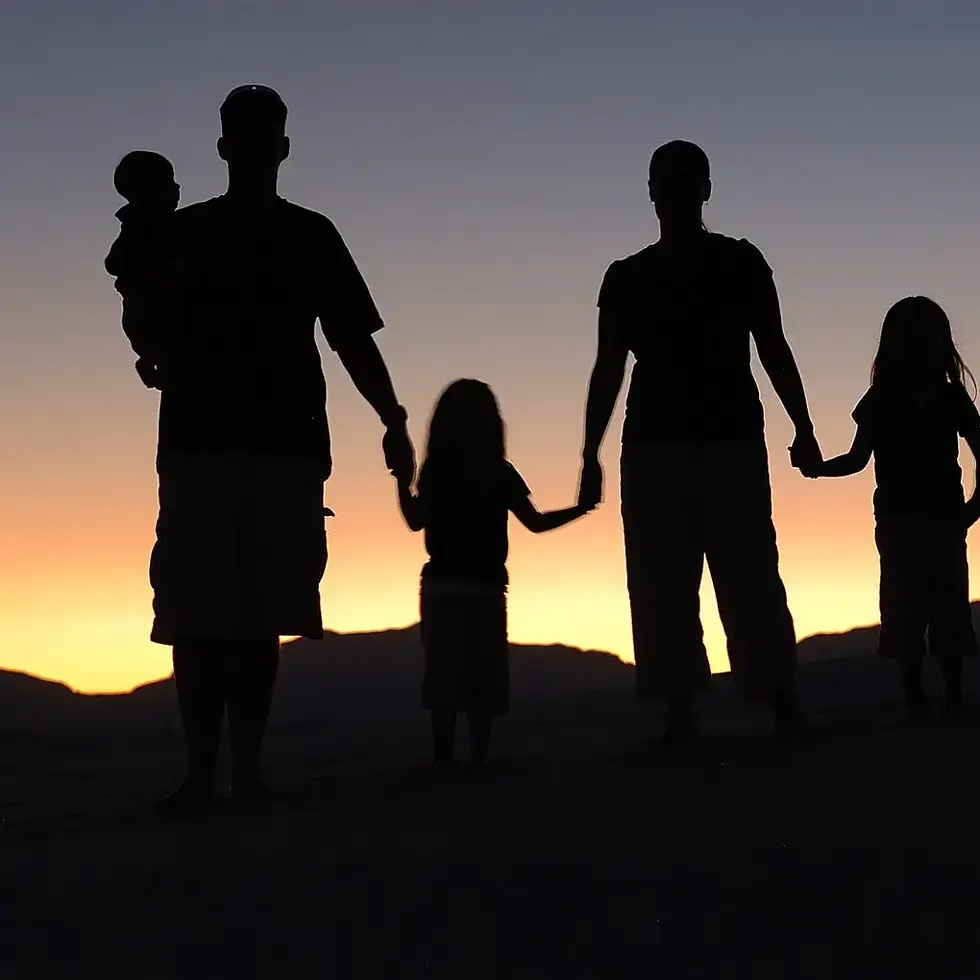
Generational trauma, which may also be referred to as intergenerational trauma, is a complex type of trauma that gets passed down from one generation to another. This trauma can stem from a personal experience, living in an environment where a traumatic experience or environment occurred, or witnessing a traumatic experience from the outside.
Generational trauma can become a significant problem due to the fact that it doesn’t begin and end with one person. You grow up with it, it shapes who you are, then it can eventually get passed down to the next generation. The cycle continues on. You can also be predisposed through the epigenetics of your family DNA.
Signs of Generational Trauma
The signs of generational trauma can include:
anxiety
depression
irritability
anger
insomnia
chronic pain / illness
You may experience low self-esteem, difficulty trusting people around you, and fearfulness or hypervigilance. The trauma can also lend itself to substance abuse, eating disorders, insomnia, and chronic pain.
What Causes Generational Trauma?
There are a handful of factors that can cause and contribute to generational trauma. Larger-scale events like wars, genocides, and natural disasters can cause this trauma. Being part of a family or ethnicity who lived/are living through slavery or systemic oppression can as well.
On the other hand, there are many things that may fly under the radar, but can be the cause of a family’s generational trauma, too. Oppression and violence towards a specific demographic can cause disparities in living conditions and lead to a constant state of fear or unsafety.
Poverty and unbalanced living situations that make it hard to be successful and thrive, whether financially, mentally, or emotionally, can cause generational trauma. Parents who grow up in poor conditions are less likely to have had access to proper resources.
Cultural dislocation is another factor. With many parts of the world experiencing some type of hardship that forced families to leave their home, feelings of loss and separation are likely to be passed down to the next generation.
There is also research showing in-utero exposure to certain types of stressors (physical, chemical, emotional, cultural, etc.) can impact brain development and functioning. Developmental delays or other longterm effects have been noted in some instances.
Examples of Generational Trauma
A very current example of generational trauma may be the wars between Russia-Ukraine or Israel-Hamas. Anyone who is living or growing up in these environments are more likely to suffer generational trauma symptoms, from ancestors who already experienced similar circumstances. They are also more likely to pass further stress and trauma responses down to their children. Additionally, anyone who has loved ones in these areas can also be affected.
Systemic racism is still very present in current times. The cycle of poverty and violence can traumatize individuals, families, or even whole communities. People who live in high-crime, low-income neighborhoods are at a higher risk of developing depression or PTSD due to lack of resources and unsafe conditions.
Healing from Generational Trauma
While generational trauma is complex, it is possible to heal.
The first step is to identify any past trauma in your life and anything your family may have experienced. Being able to acknowledge these traumas and talk about them can be a freeing experience.
While you’re diving into your past, it can be a good time to learn about your family history. What did past generations live through? How did this shape your family, whether positively or negatively? During the learning process, you can form a deeper connection with your family.
Once you know what your and your family's past experiences are, you can seek out support from people who have similar lived experiences. If you’re struggling to cope, there is always professional help available.
If you’re suffering from generational trauma and need assistance in the healing process, contact us today to learn more about trauma integration.
Read more from our trauma blog.
Find out more about our approach to trauma integration.
---------------------------------------------------------------------------------------------------------------------------

Emma Sartwell, MDiv, CYT | Emma holds a Master of Divinity from Naropa University and is a registered psychotherapist. She combines Somatic Experiencing, parts work, holistic healing, and mindfulness into her sessions, which focus on nervous system regulation, trauma integration, attachment patterning, inner critics and inner children, and ancestral healing. Her deepest joy is helping people feel more integrated, authentic, and connected.


Comments